The Nissan GT-R R36 is no longer just wishful thinking from enthusiasts. Fresh comments from Nissan North America’s senior leadership indicate that the next GT-R is in active development, likely on a new chassis, with a mostly new powertrain and some form of electrification. Just as important, Nissan appears to be steering the car back toward the formula that made the GT-R famous: usable supercar pace, serious technology, and the ability to unsettle much more expensive machinery.
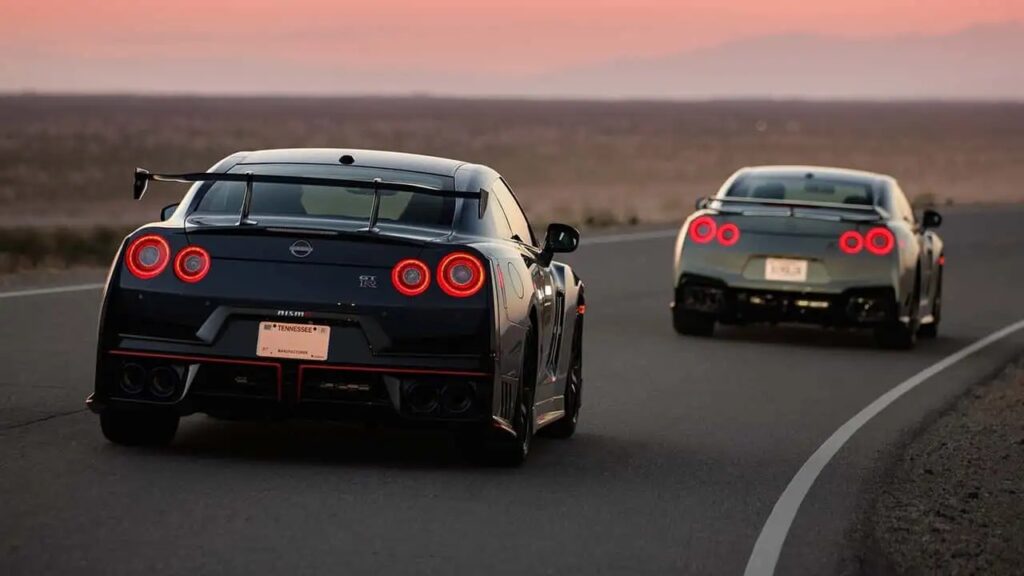
That matters because the GT-R has never been special only for its acceleration figures. It mattered because it changed the way people thought about performance cars. The R35 showed that software, drivetrain intelligence, and ruthless engineering could let a relatively practical 2+2 punch into Porsche territory without wearing a Porsche badge. Nissan now has a chance to do that trick again, but the rules have changed.
What Nissan Has Effectively Confirmed So Far
The clearest signal came from Ponz Pandikuthira at the 2026 New York auto show. He indicated that Nissan could have meaningful announcements by 2028 and aims to have the R36 GT-R on the road before 2030. He also described it as an all-new car on a new platform, with a powertrain that is “mostly new” rather than a light update of the outgoing formula.
That is the key point. Nissan is not talking about a farewell special, a trim package, or a nostalgic continuation model. It is talking about a genuine successor. For a car like the GT-R, that matters more than any single horsepower figure because a new chassis gives Nissan room to rethink weight distribution, cooling, aero packaging, crash performance, and hybrid integration from the ground up.
Why the Nissan GT-R R36 Is Likely Going Hybrid
Pandikuthira’s comments point strongly toward a hybrid layout rather than a full battery-electric GT-R, at least in this next phase. He said the next GT-R will need electrification, but suggested it probably does not need to be a full EV. That is a very telling position. It suggests Nissan wants the response, sound, range flexibility, and emotional continuity of combustion, while still meeting tougher emissions and future-proofing requirements.
From an engineering point of view, that makes sense. A hybrid GT-R can use electric torque to sharpen off-the-line response, fill turbo lag, support torque vectoring, and improve drivability in ways that fit the car’s long-standing techno-performance identity. It also allows Nissan to preserve some of the character enthusiasts expect from a GT-R while adapting to the regulatory pressure that killed the old car in several markets.
Euro 7 Is a Bigger Deal Than Many Enthusiasts Realize
Nissan’s executive made it clear that global emissions compliance is one of the reasons the outgoing GT-R’s powertrain could no longer continue in the same form. Europe’s Euro 7 regulation adds tighter requirements around particles, brakes, tyres, and battery durability, and sets the timetable for when new vehicle types and new vehicles must comply. For performance cars, that means the engineering challenge is no longer just about making power. It is about making power cleanly, durably, and repeatedly in real-world use.
This is exactly why the next GT-R cannot simply be an R35 with more boost and a fresh body. The regulatory environment is now part of the performance brief. If Nissan wants the GT-R to be a truly global product again, electrification is not a marketing flourish. It is part of the survival plan.
Keeping the VR38 Would Be the Smart Move
One of the most interesting details from the recent reporting is that Nissan may keep the basic VR38 engine block while extensively reworking the rest of the combustion package. Pandikuthira mentioned that if a hybrid powertrain is used, the VR38 block is too strong to throw away, even if the heads, pistons, and upper-end design need major revision.
That would be the right call. The VR38 is not just a nostalgic badge item. It is part of the GT-R’s identity, and it has a reputation for strength that tuners and engineers alike respect. A redesigned hybrid-assisted version could let Nissan preserve the GT-R’s mechanical backbone while making the engine cleaner, sharper, and more compatible with modern emissions demands. In plain language, it would keep the car familiar where it matters and new where it must be.
What Happened to the Electric GT-R Idea?
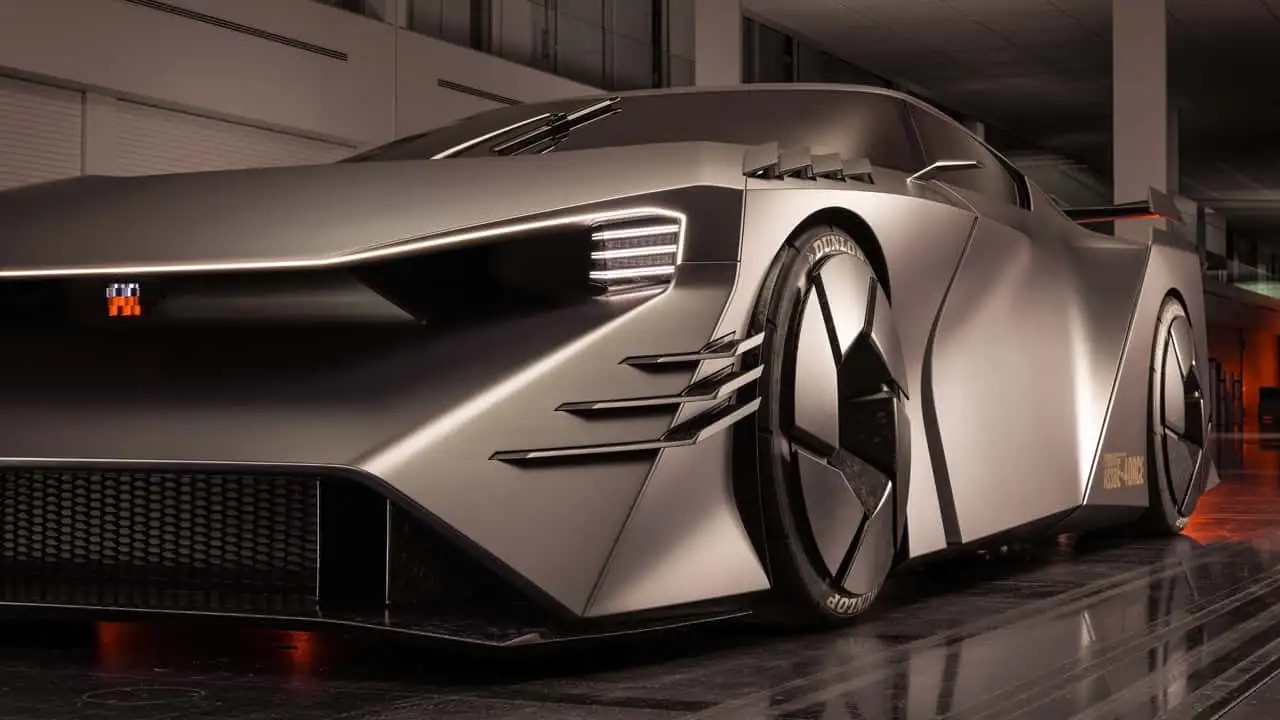
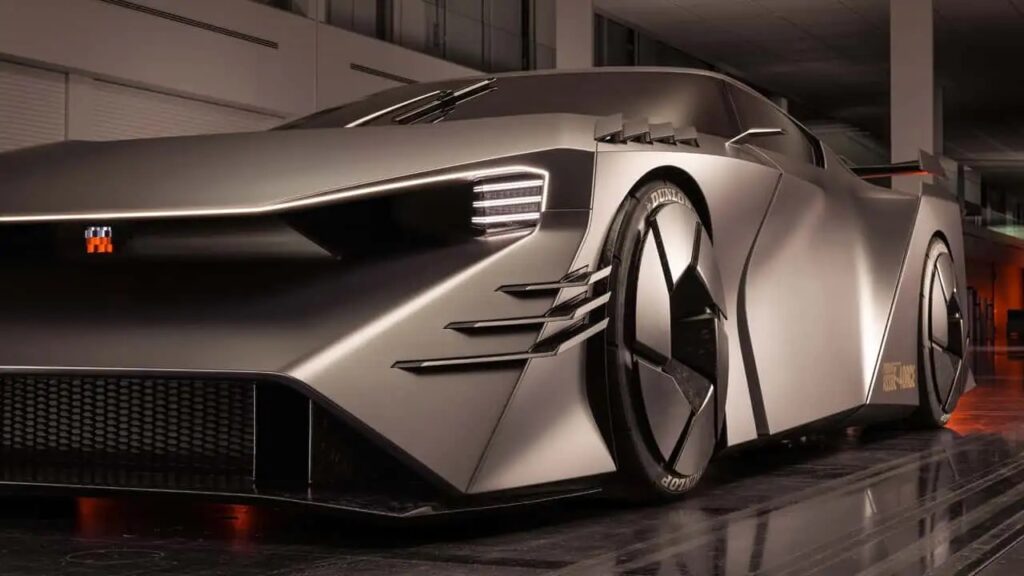
It has not disappeared. Nissan’s 2023 Hyper Force concept showed that the company was actively exploring a high-performance electric flagship with up to 1,000 kW, all-solid-state battery ambition, e-4ORCE all-wheel control, and heavy emphasis on circuit-capable handling. That concept was not subtle. It told the world Nissan was still thinking seriously about a future halo performance machine.
But concept cars answer one question while raising another: what is possible, and what is ready? The shift in tone now suggests Nissan sees a hybrid R36 as the smarter near-term answer. That is a believable move. A full EV GT-R may still happen one day, especially if battery density, thermal control, and charging performance reach the level expected of a global high-performance icon. Right now, a hybrid looks like the bridge between the GT-R’s past and its electric future. That is an inference from Nissan’s concept direction and the latest executive comments, not a final product confirmation.
Can It Still Trouble Porsche and Corvette?
It can, but Nissan has less room for error now. When the R35 arrived, the GT-R’s combination of launch performance, all-weather traction, and lap-time credibility felt disruptive. Today, the field is tougher. Porsche keeps refining the 911 at a frightening pace, and Chevrolet’s upper-tier Corvette program has moved the performance conversation much further upmarket. Nissan cannot rely on the old formula alone. It needs a car that feels advanced again, not merely revived.
The good news is that the GT-R brand is built for this exact moment. A hybrid system, if calibrated properly, could make the next car even more devastating in the real world than the old one. More immediate torque, smarter axle control, stronger repeatability, and better efficiency are all useful gains. The danger is weight. If the R36 becomes too heavy, too expensive, or too digitally filtered, it risks losing the brutal clarity that made earlier GT-Rs memorable. That balance will define the car.
Why This Matters Beyond Japan, Including India
The GT-R is a low-volume car, but it is never a low-impact car. It acts as a halo product. It tells buyers, engineers, dealers, and fans what a brand still believes in. For Nissan, that matters right now because a convincing GT-R comeback would do more than excite enthusiasts. It would restore some technical confidence around the brand’s performance image.
There is also an India angle here. Nissan officially launched the GT-R in India in December 2016 at Rs 1.99 crore, which proved there was enough brand pull to justify bringing the car here as a halo model, even in tiny numbers. That does not guarantee an Nissan GT-R R36 India launch, but it does show there is precedent. And in markets like India, where brand perception can travel well beyond actual sales volume, halo cars often matter more than the registration data suggests.
What Enthusiasts Should Watch Between Now and 2030
The next few years will be about architecture, not teaser shots. Watch for signs of a dedicated platform, Nissan’s chosen form of hybridization, cooling and battery packaging strategy, and how aggressively the brand chases Nürburgring credibility again. Those are the details that will tell us whether Nissan is merely reviving a badge or rebuilding a benchmark.
Also watch pricing. The GT-R has always been most dangerous when it offers uncomfortable value compared with more prestigious brands. If Nissan keeps the car within sight of the old GT-R philosophy rather than turning it into an unreachable boutique exotic, the R36 could become relevant very quickly. That part is not officially confirmed yet, but it is central to whether the next GT-R feels like a real GT-R.
Conclusion
The Nissan GT-R R36 is shaping up to be exactly what it needs to be: not a museum piece, not a compliance EV rushed out for headlines, but a serious attempt to evolve the GT-R formula for a harsher regulatory and more competitive era. The likely recipe is clear enough already: new platform, hybrid assistance, VR38 lineage, and more technology in service of speed rather than marketing.
If Nissan gets the weight, pricing, and character right, the next Godzilla could do what the GT-R always did best: make established performance brands feel very uncomfortable. And that, more than nostalgia, is why this comeback matters
